
Manufacturing aluminum foam
Havel metal foam manufactures aluminum foam by powder metallurgy, using its own manufacturing technology, which began together with the Fraunhofer Institute for Machine Tools and Forming Technology IWU and has been developed considerably since. Havel metal foam covers the entire value chain, from the precursor to the foamed product, and produces aluminum foam in four different technologies in series, even in larger quantities, with reproducible product quality.
Updated:
How is aluminum foam made?
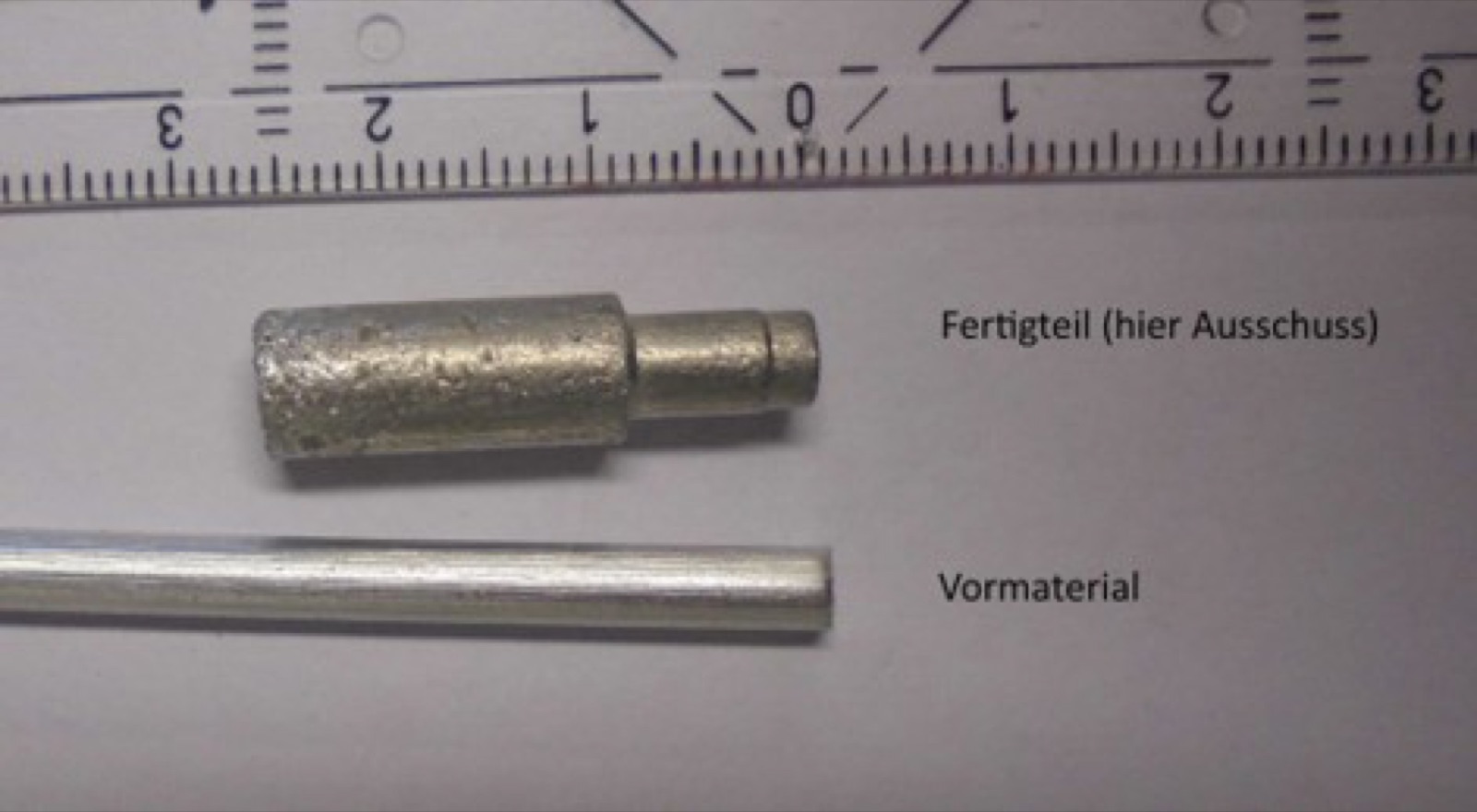
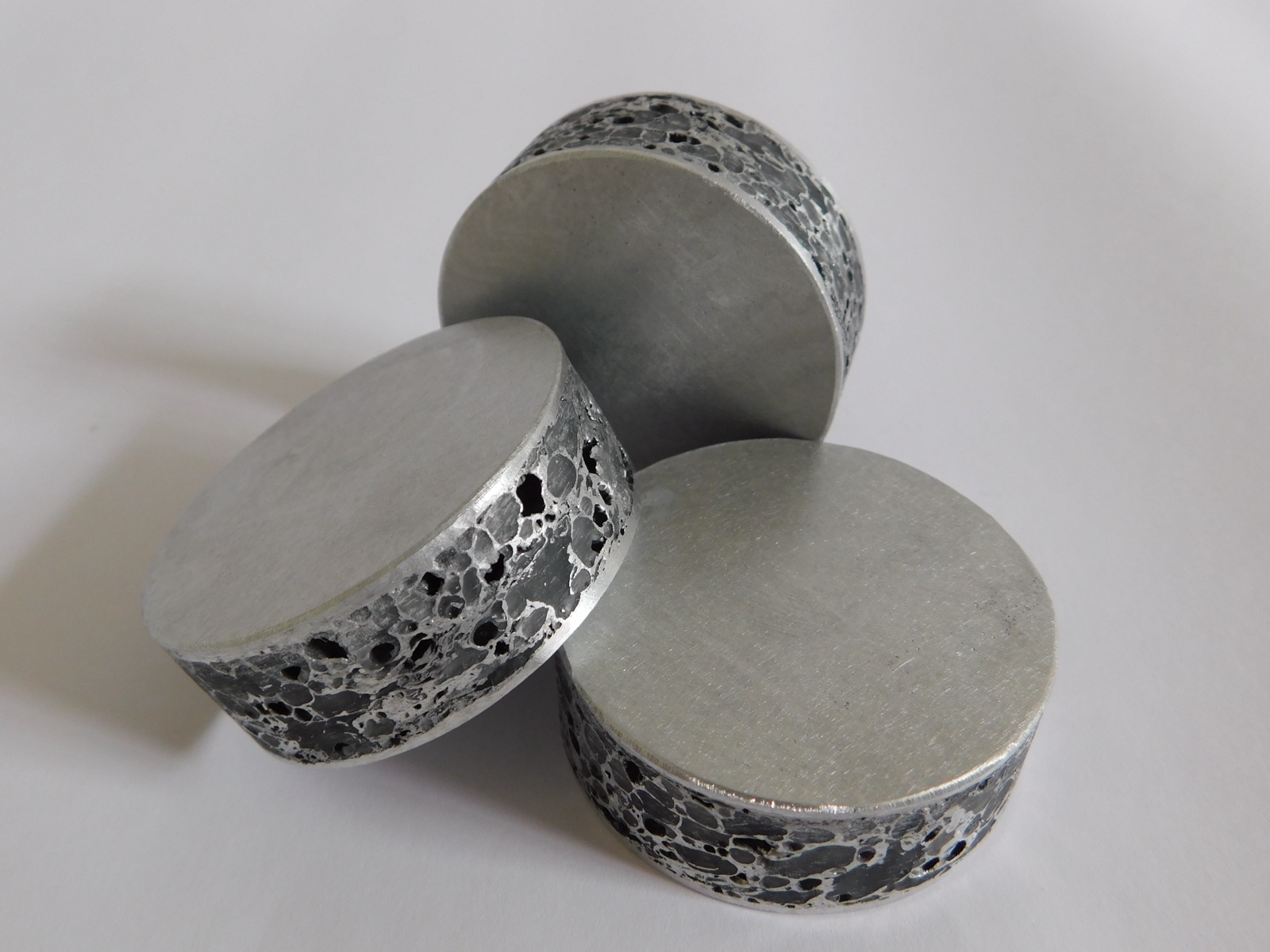
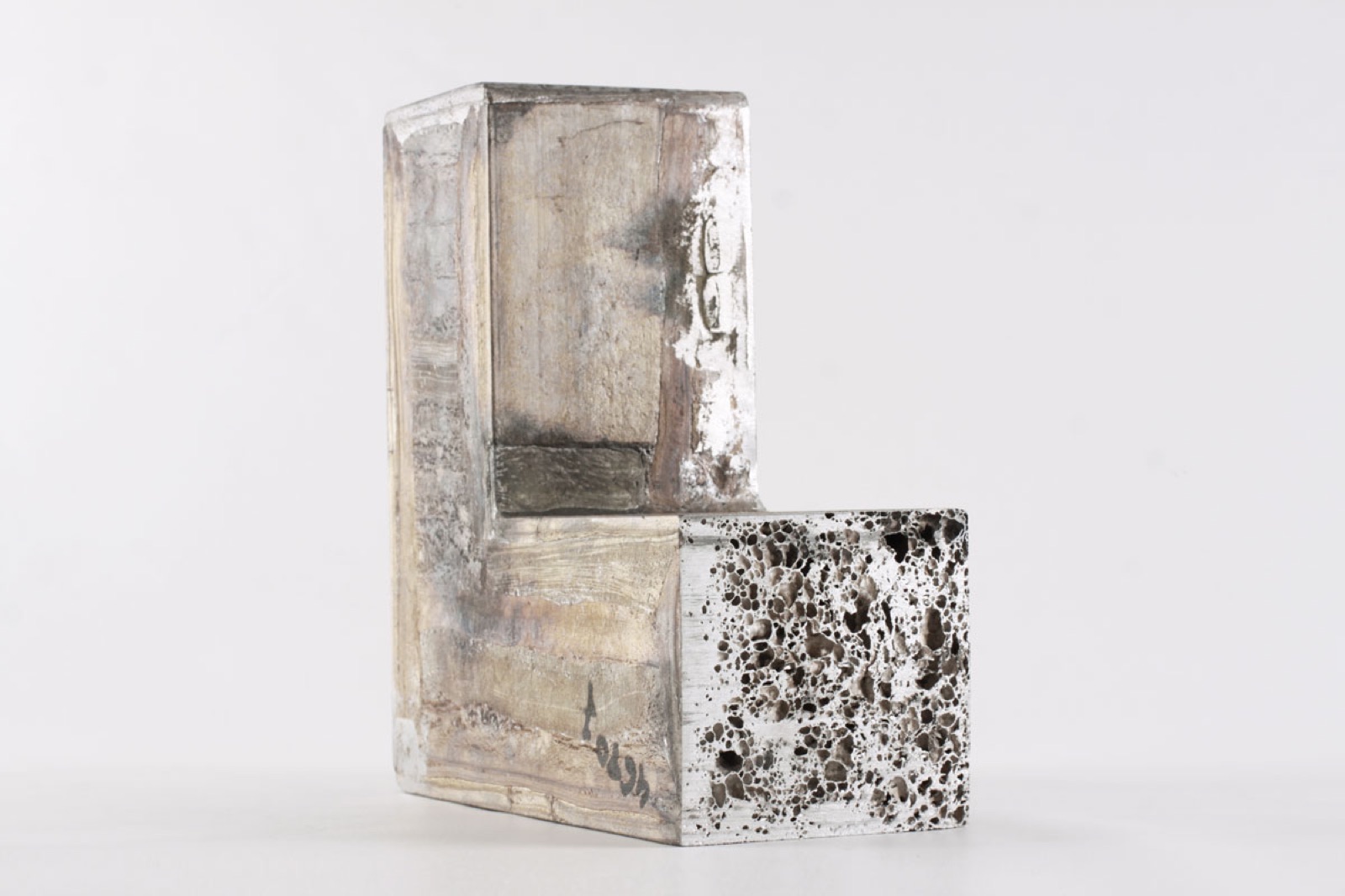
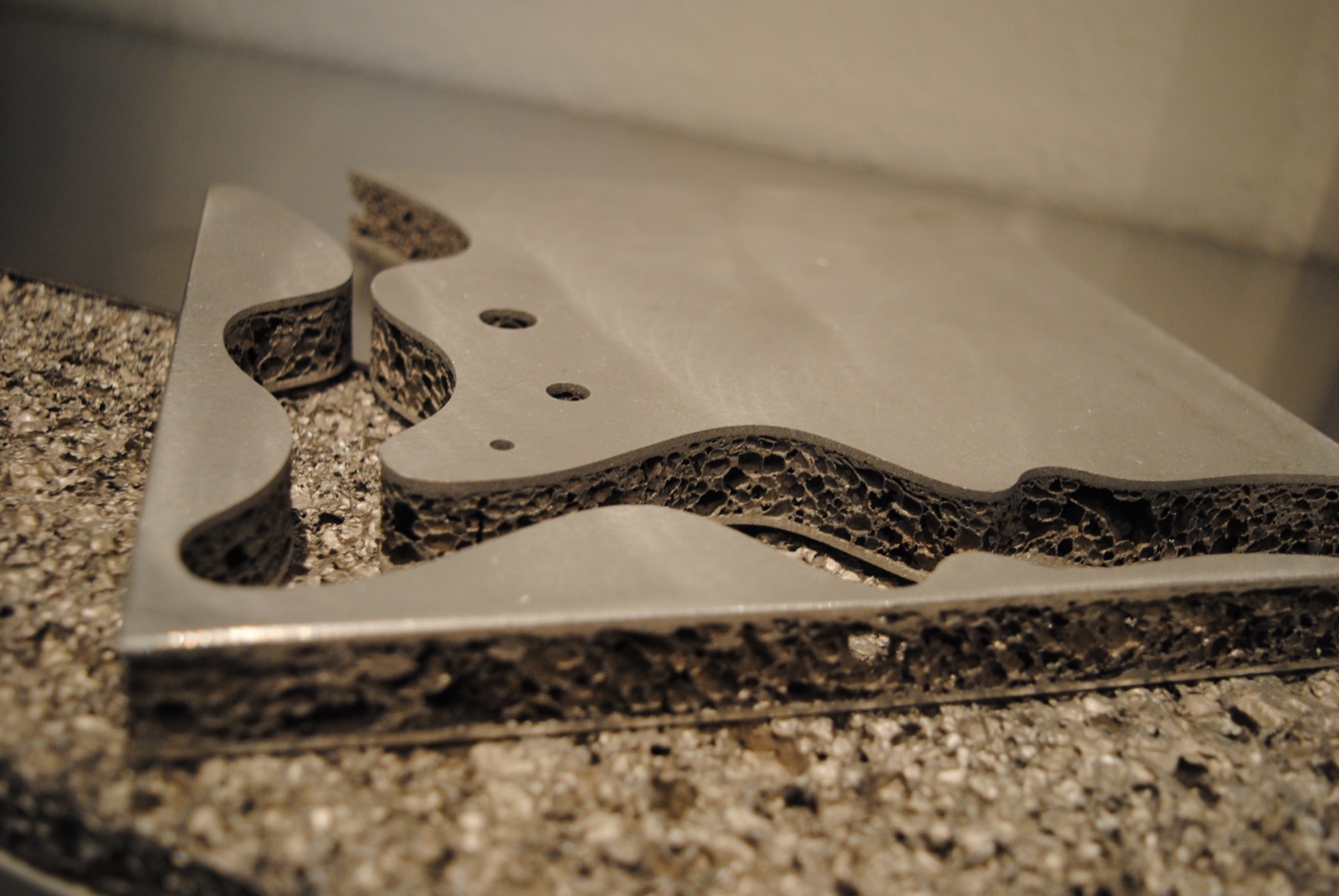
Aluminum foam is produced in infrared ovens, a kind of powerful “toaster”. The “baking powder” is a compacted aluminum powder mixture with small amounts of titanium hydride (TiH2). The mixture is melted and decomposes; the expanding foam forms a metallic bond with the cover sheets of aluminum (AAS, aluminum foam sandwich) or steel (SAS, steel-aluminum foam sandwich). The subsequent cooling preserves the foam and gives it extreme stability. No adhesives are used in the core process; the result is mono-material and therefore 100 % recyclable.
The fire protection properties are limited only by the melting temperature of the metals used.
Why is the bond between foam and cover layer metallic?
Because the foam forms between the cover layers and is not joined to them afterwards. The process sequence is: mix the foamable precursor, extrude, compact, place the foamable aluminum between the cover layers, foam, cool. There is no gluing step in it. During foaming, the foam grows against the cover layers and bonds metallically with them. That is the powder metallurgy route, and it is the reason for three properties that are otherwise hard to combine: the foam is closed-cell, it can be bonded metallically to the cover layer, and the result stays mono-material and therefore fully recyclable.
- Mix the foamable precursor
- Extrude
- Compact
- Place the foamable aluminum between the cover layers
- Foam
- Cool
Which processes are there for making metal foam?
Industrial practice distinguishes three process families. Havel metal foam works by powder metallurgy: the foamable precursor is a solid and is foamed between the cover layers. The other two families start from the melt, either by gas infiltration or with a blowing agent using the Alporas process. The difference is not academic: it determines whether the cells are closed and whether the foam can be bonded metallically to a cover layer at all.
| Process family | Starting state | Manufacturers named |
|---|---|---|
| Powder metallurgical | Solid, foamable precursor | Havel metal foam |
| Melt metallurgical with gas infiltration | Melt | Foamtec, Cymet, Huaxiao |
| Melt metallurgical with blowing agent (Alporas) | Melt | Alporas, Beihai composite |
Process assignment and manufacturer names according to the technology overview by Havel metal foam (2026). The assignment describes process families, not the properties of individual products.
How much of the manufacturing chain does Havel metal foam cover?
Manufacturing of the Havel Lite products covers the entire value chain, from the precursor to the foamed product. With its own powder mixing plant and a roller, Havel metal foam mixes the raw material itself and processes it into foamable precursor. Specially developed high-performance infrared ovens produce steel-aluminum foam sandwiches (SAS), aluminum-aluminum foam sandwiches (AAS), pure aluminum foam panels and 3D shaped elements. Where fastening points, rails or nuts are needed, they can be foamed or welded into SAS; both operations are restricted to the SAS design. Neither is possible with aluminum cover layers (AAS).
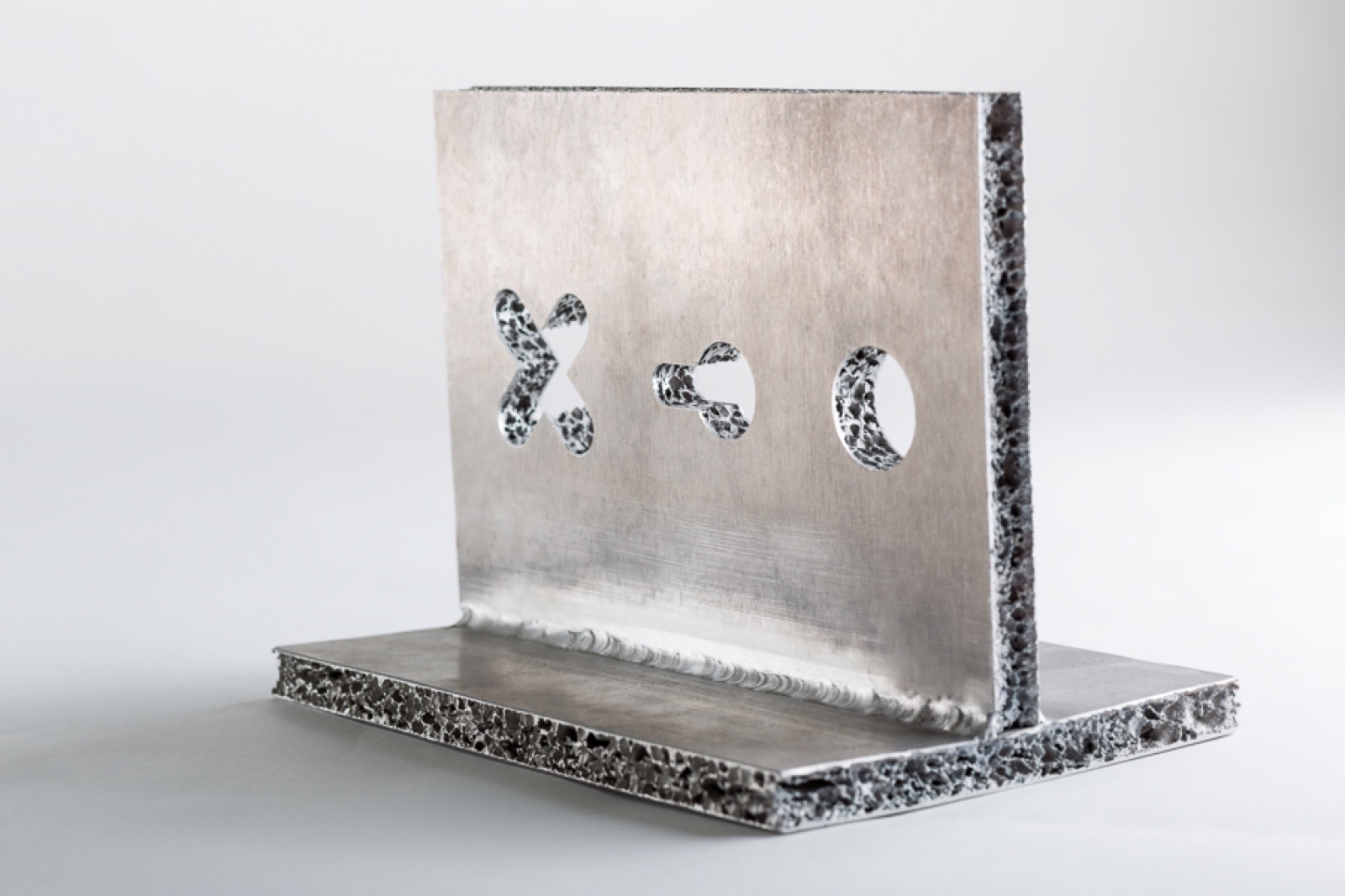
Profiles up to six meters long are foamed in a special continuous furnace; a gantry milling machine can process sandwiches and panels with a maximum dimension of up to 2.95 m × 1.45 m.
What equipment is used in manufacturing?
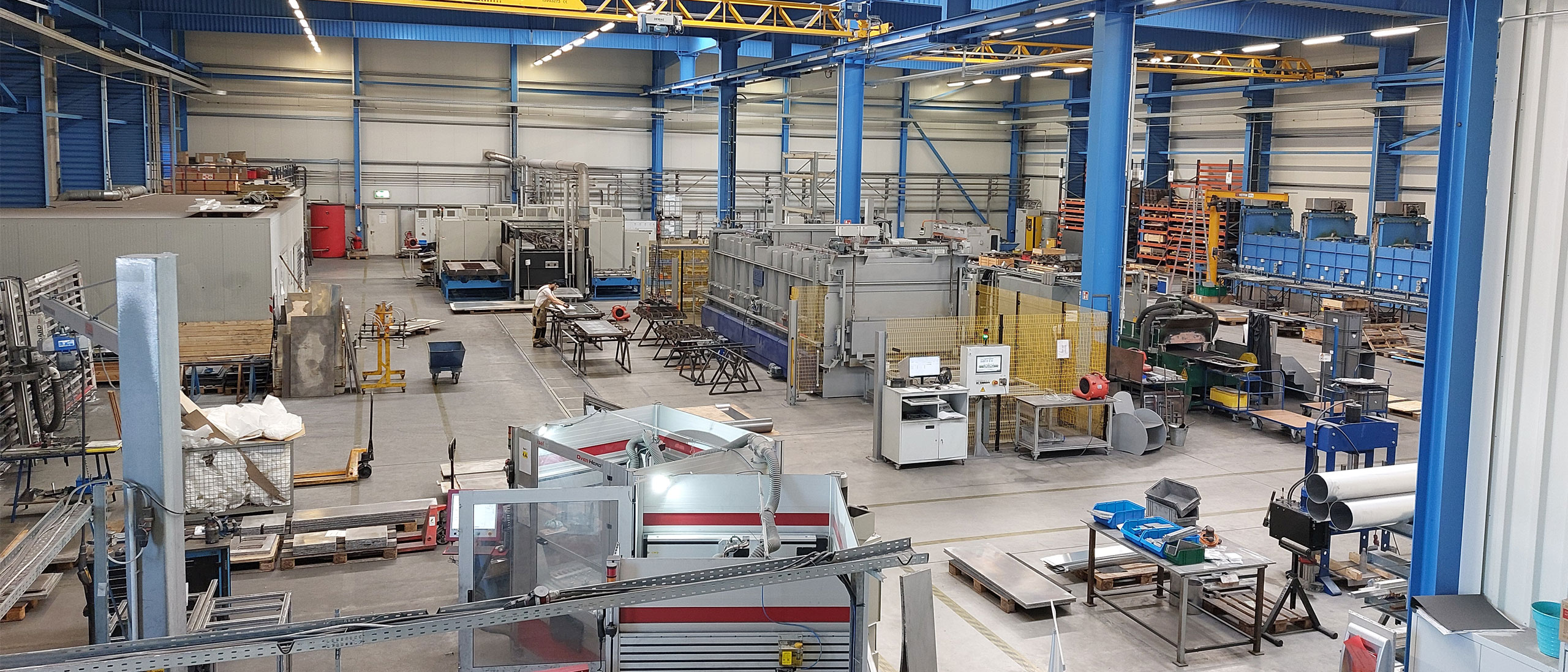
The technical equipment for series production comprises three types of plant: infrared ovens, electrically heated continuous furnaces and CNC milling machines. Production capacity covers aluminum foam sandwiches, foamed components and 3D shaped elements, and amounts to 500,000 m² per year. The processing technologies available are bending, welding, milling, drilling and machining.
- Infrared ovens: specially developed high-performance ovens for the foaming process
- Electrically heated continuous furnaces: foaming of profiles up to six meters long
- CNC milling machines: a gantry milling machine for sandwiches and panels up to 2.95 m × 1.45 m
How can aluminum foam be processed?
All products can be processed in many ways afterwards. The cover layers of aluminum foam sandwiches can be welded, bent and folded using conventional methods; drilling, milling or coating the products is possible without difficulty. Aluminum foam components can therefore be worked with the same workshop infrastructure as conventional semi-finished metal products.
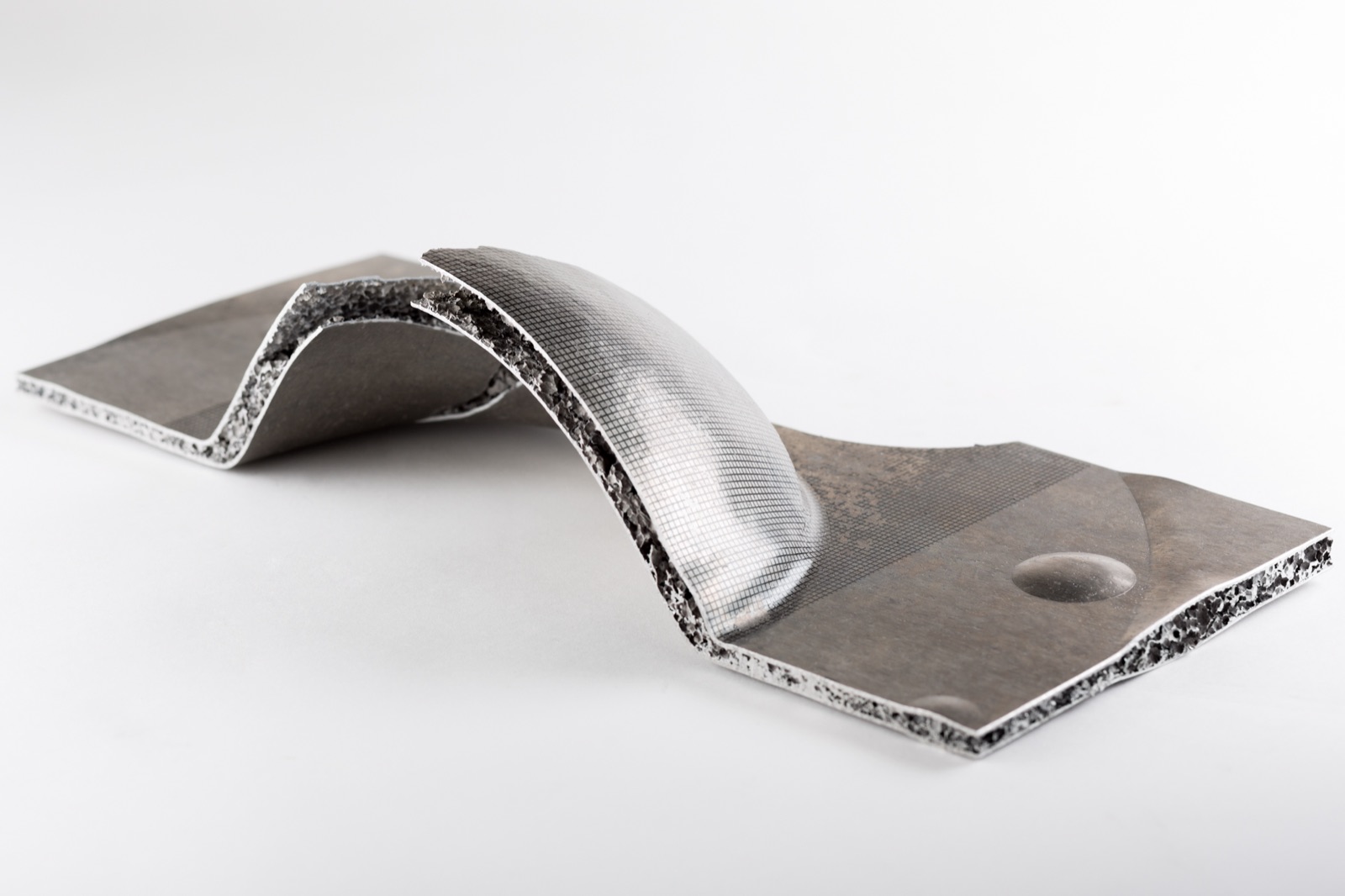
- Bending and folding the cover layers
- Welding with conventional methods
- Milling
- Drilling
- Machining and coating
What makes series production of aluminum foam special?
Havel metal foam produces aluminum foam in four different technologies in series, even in larger quantities, with reproducible product quality. The manufacturing technology that allows this material to be produced industrially was created together with the Fraunhofer Institute for Machine Tools and Forming Technology IWU and has since been developed considerably in-house.
The process
What is the precursor for the aluminum foam made of?
Also asked: What makes the aluminum foamable? · What role does titanium hydride play?
Havel metal foam uses a compacted aluminum powder mixture with small amounts of titanium hydride, TiH2. The titanium hydride is the blowing agent: when the mixture is brought to melting temperature, the hydride decomposes and releases hydrogen, which inflates the melting aluminum from within. Because the precursor is a solid and not a melt, it can be handled like a semi-finished product before foaming: mixed, extruded, compacted and placed where the foam is later to form. That is precisely the precondition for the foam to grow between two cover layers and bond metallically with them.
- Sources
- Brand content
In which steps is an aluminum foam sandwich made?
Also asked: How does the foaming process work? · When exactly does the bond to the cover layer form?
Havel metal foam makes it in six steps: mix the foamable precursor, extrude, compact, place the foamable aluminum between the cover layers, foam, cool. Foaming takes place in infrared ovens, which work like a kind of powerful toaster. The decisive step is the fourth: the precursor already lies between the cover layers before foaming, so during foaming the foam grows against the cover layers and bonds metallically with them. Cooling fixes the cell structure. There is no gluing step in this sequence, and that is not an omission but the reason the result is mono-material.
- Sources
- Brand content
How does the powder metallurgy process differ from the melt processes?
Also asked: Which manufacturing processes for metal foam are there? · Why is this foam closed-cell?
Havel metal foam works by powder metallurgy, whereas the other two process families start from the melt: either by gas infiltration or with a blowing agent using the Alporas process. On the powder metallurgy route the precursor is a solid that is foamed between the cover layers; in the melt processes the foam forms in a bath and is then processed into a semi-finished product. The difference is not academic, because it determines two properties: whether the cells are closed, and whether the foam can be bonded metallically to a cover layer at all. On the powder metallurgy route, both follow from the process and not from an additional operation.
- Sources
- Brand content
Adhesives and design
Are adhesives used in manufacturing?
Also asked: Is manufacturing entirely adhesive-free? · Are there exceptions to the adhesive-free design?
No, not in the core process: at Havel metal foam the bond between foam and cover layer forms during foaming and is therefore metallic; there is no gluing step in the process sequence. The result stays mono-material and is therefore 100 % recyclable. There are, however, two documented exceptions, which is why the answer is not simply no: if a pipe system is inserted into a component only after foaming, the cover plates are then glued on, and in the gear-cutting flange a foam ring is glued in. If you need a design that is adhesive-free throughout, choose the variant in which the inserts are already placed during foaming.
- Sources
- Brand content
How is it decided whether a housing is manufactured integrally or differentially?
Also asked: What does integral manufacturing mean? · Is a housing made in one piece? · How do integral and differential design differ?
Havel metal foam manufactures housing walls either integrally or differentially. Integral means that cut-outs and contours are formed in the component itself: there are fewer joints and a closed outer skin. Differential means that individual parts are made and then welded or glued together, which is simpler for complex geometries. The choice is a manufacturing decision with consequences for leak-tightness and the number of seams, and it is made per component. One design note: where foam sits in the area of a fastening, manufacturing needs more preparation.
- Sources
- Brand content
Equipment and processing
How large can a manufactured component be?
Also asked: Which maximum dimensions are possible? · How long can foamed profiles be?
Havel metal foam foams profiles up to six meters long in a special continuous furnace. Sandwiches and panels are machined on a gantry milling machine, with a maximum dimension of 2.95 by 1.45 meters, which is also the largest panel format in the data sheets. Larger components are therefore made not from a larger semi-finished product but by joining several panels, and for the connection to an existing structure there is a separate process depending on the cover layer. For the design this means: component size is rarely the limit, whereas the routing of the seams is often a question that should be settled early.
- Sources
- Brand content
Which operations are possible after foaming?
Also asked: Can a foamed component be coated? · Can inserts be welded in afterwards?
Havel metal foam machines foamed components on CNC milling machines and cuts them by laser; inserts are welded in, as on the base plate of a battery box. For surfaces, powder coating as well as anti-slip and anti-scratch coatings are documented. One note on design: fastening points, rails or nuts can be foamed or welded into SAS, whereas neither is possible with aluminum cover layers. If you need inserts, that choice also decides the design. Processing the cover layers themselves, that is welding, bending and folding, is no different from processing a conventional semi-finished metal product.
- Sources
- Brand content
Your component in series production: inquire in 2 minutes
Straight to the specialist team, from feasibility to start of series production.
- Prompt reply
- Four technologies in series production
- No account needed