
Foamed components: profiles filled with aluminum foam
Havel Lite® foamed components are hollow profiles and components whose cavities are filled with aluminum foam. Foamed components have excellent damping properties combined with a reduction in weight. Profiles and cavities can be foamed, including in existing parts, with a thickness tolerance of ± 0.3 to ± 0.8 mm.
Updated:
Can existing profiles be foam-filled retrospectively?
Yes. Profiles and cavities can also be foamed after manufacture, with a thickness tolerance of ± 0.3 to ± 0.8 mm. This lets existing structures gain the damping properties of aluminum foam, while weighing less than solid solutions.
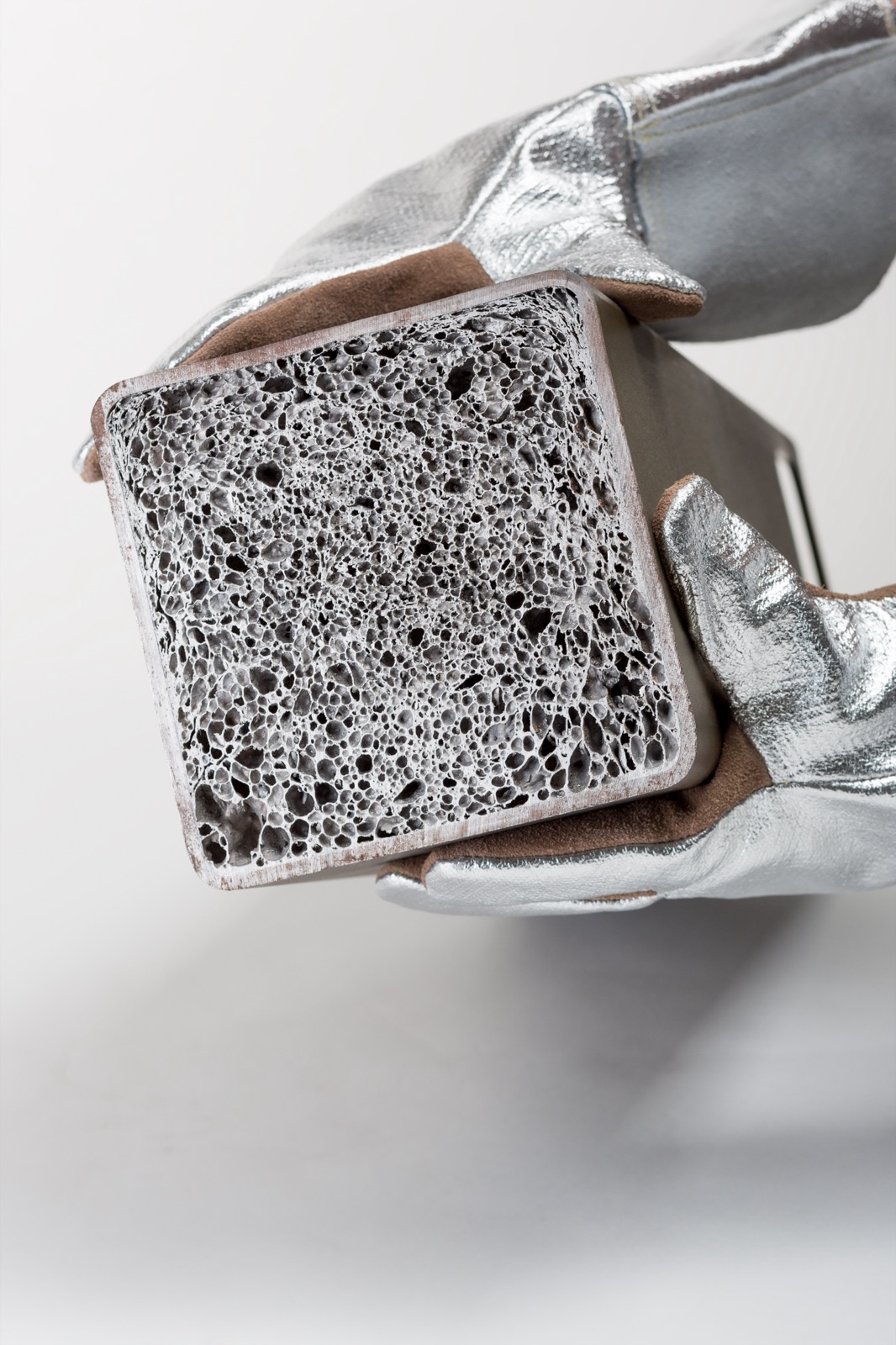
Where does the vibration damping of foamed components pay off?
The vibration-damping properties are an advantage, for example, in fast-moving components of milling machines: the highly damping aluminum foam makes vibration-free operation possible where it is needed, and at the same time allows higher machining accuracy and speed.
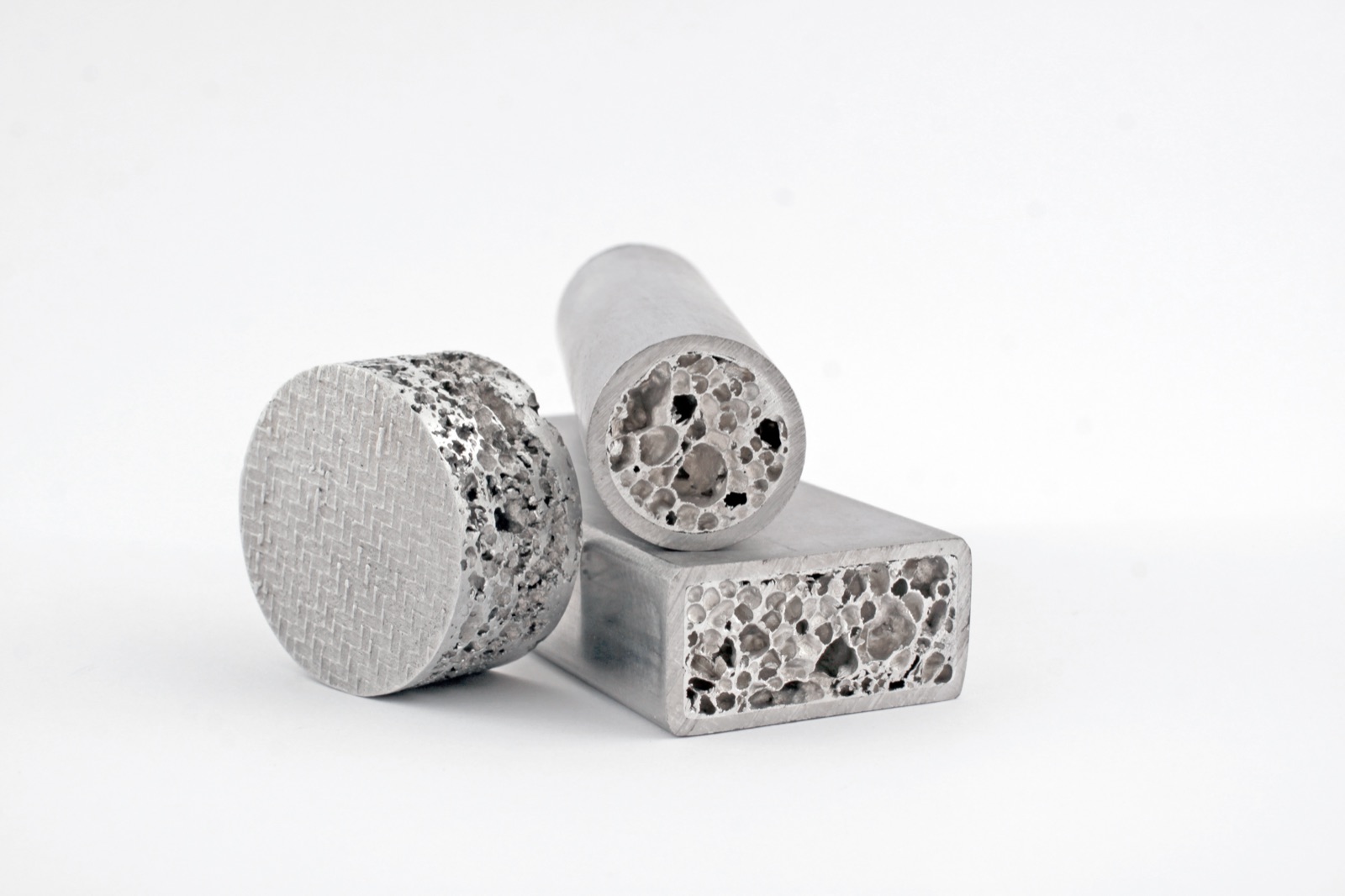
Which components are foamed?
Both steel and aluminum profiles are foamed, from machine components to carriers for mining. Examples already produced include foamed steel profiles, foamed aluminum profiles and carriers for mining. The foamed components have excellent damping properties combined with a reduction in weight.
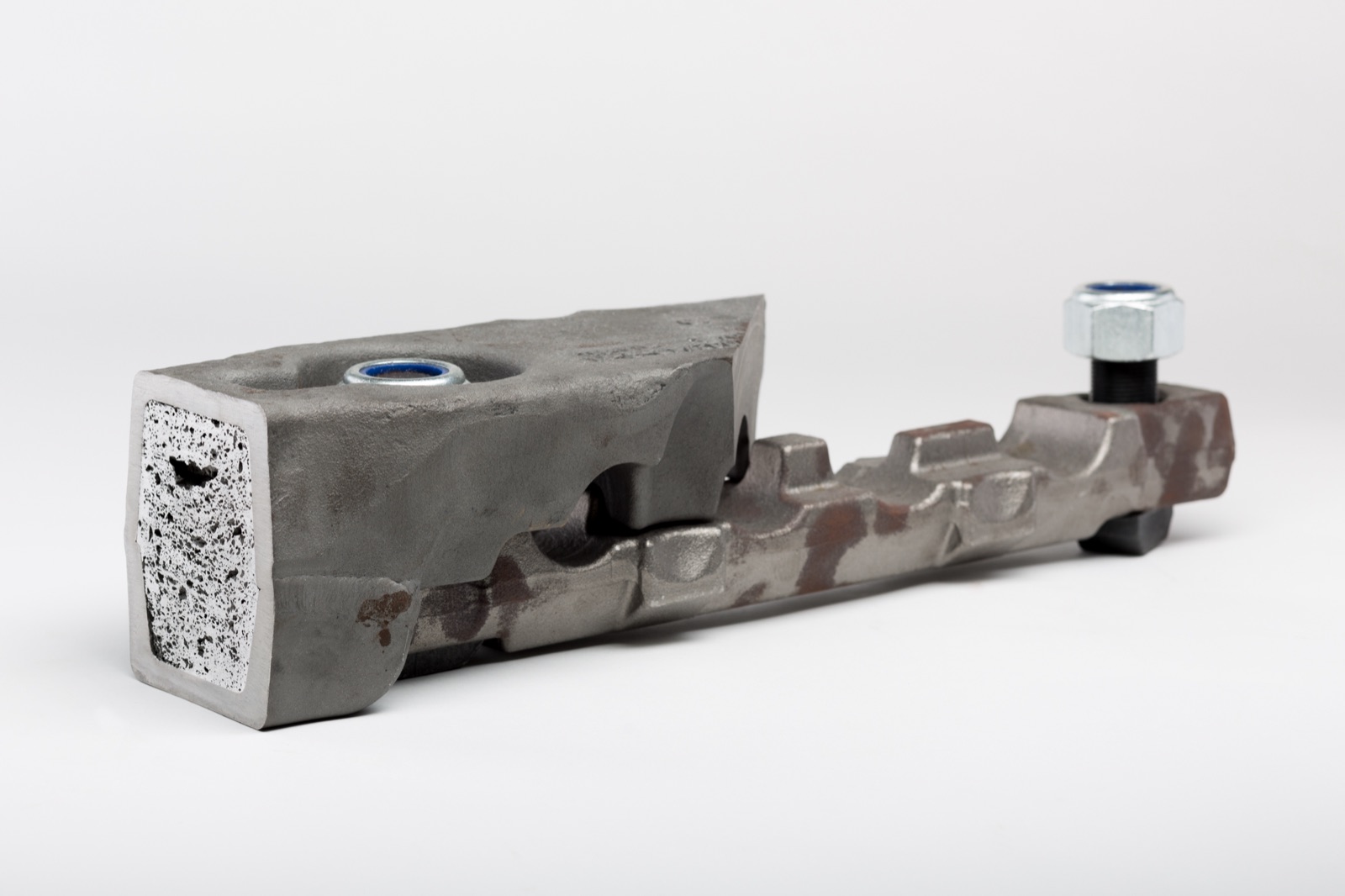
- Foamed steel profiles
- Foamed aluminum profiles
- Carriers for mining
Process
What are foamed components?
Also asked: How does the foaming of profiles work? · What happens when a hollow profile is filled?
Foamed components from Havel metal foam are hollow profiles and components whose cavities are filled with aluminum foam. Havel metal foam fills aluminum and steel profiles as well as shaped hollow bodies. The thickness tolerance is ± 0.3 to ± 0.8 mm. The foam stays purely metallic, so the component remains single-material and can still be processed.
- Sources
- Brand content
Can existing profiles be foamed afterwards?
Also asked: Can a finished component still be filled? · Can foaming be done afterwards?
Yes. Havel metal foam can also foam profiles and cavities after manufacture, with the same thickness tolerance of ± 0.3 to ± 0.8 mm. This lets existing structures gain damping and better buckling behavior without redesigning the geometry.
- Sources
- Brand content
Effect
What does the foam filling achieve mechanically?
Also asked: Why foam a profile? · How does the filling affect stiffness?
In steel profiles the filling markedly improves the buckling and compressive behavior and damps vibrations. At Havel metal foam, foaming makes most sense where bending forces act; the weight saving when steel tubes or segments are over-foamed is 15 to 20 %. The damping effect is used above all in fast-moving components, for example in milling machines. In vehicles, the same filling is aimed at crash performance: sills and rear beams made from aluminum and steel profiles are foamed in their existing cavity so that they absorb more energy; both have been built as prototypes.
- Sources
- Brand content
How does a foamed profile compare with a solid profile?
Also asked: Is a filled profile lighter than solid aluminum?
For the same crash function, a foamed profile from Havel metal foam comes to 1.3 kg/m against 1.75 kg/m for a solid aluminum profile. The comparison comes from an application design and applies to that function; for a specific component, the design has to be calculated separately in each case.
- Sources
- Brand content
What are foamed guide rails used for?
Also asked: Are there applications in drones?
Foamed guide rails from Havel metal foam carry the payload in drones. There the foam does two jobs at once: it damps vibrations and lowers the weight of the rail, which in flying systems translates directly into payload.
- Sources
- Brand content
Have your profiles foamed
Existing parts too. Your inquiry goes straight to our specialist team.
- Prompt reply
- No account needed
- Your data stays confidential