
3D shaped elements of aluminum foam
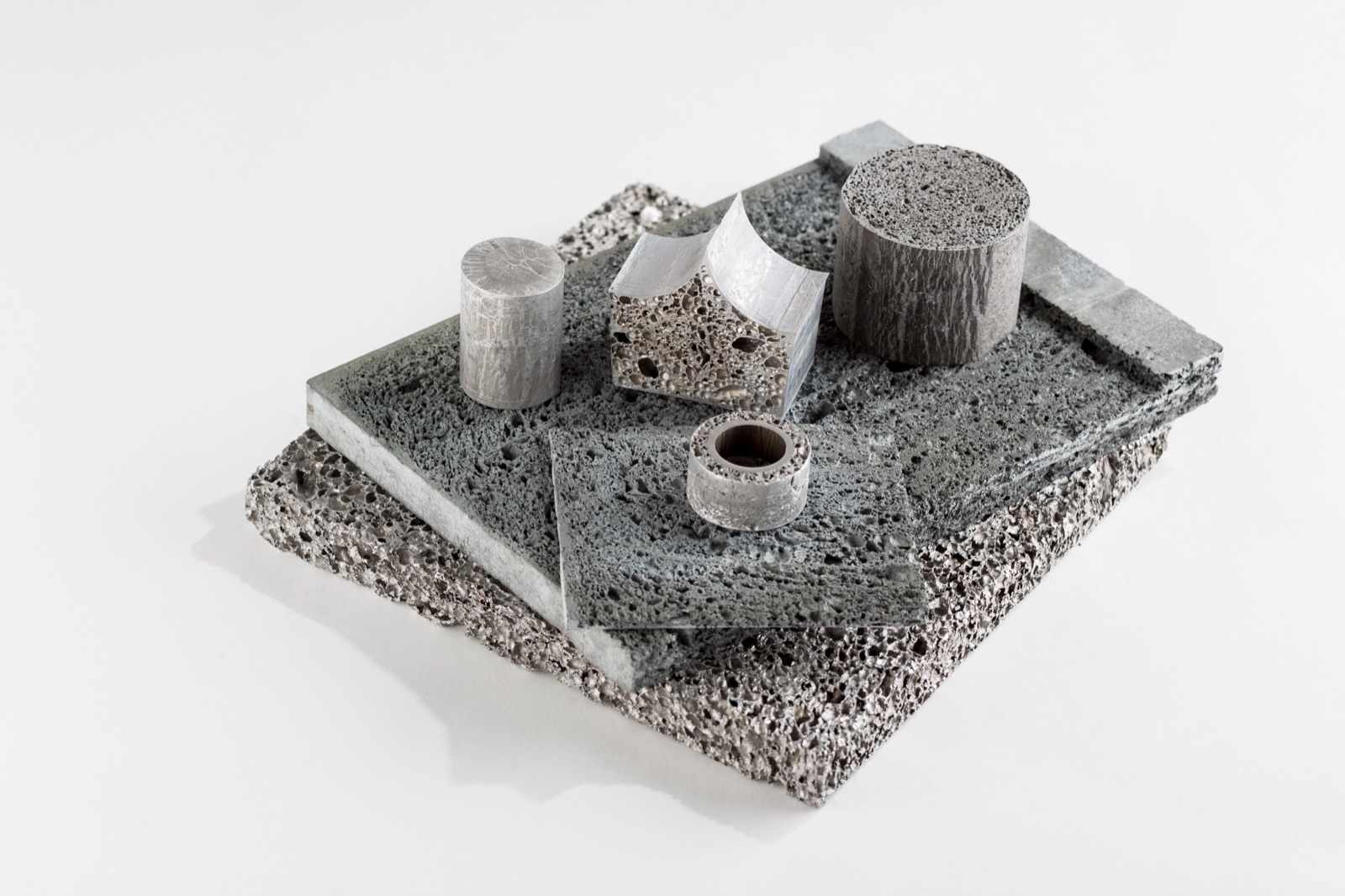
Havel Lite® 3D shaped elements are three-dimensionally shaped components of aluminum foam: with the powder metallurgy process, much as with casting, almost any geometric shape can in principle be created. The material is non-combustible, produces no smoke and is 100 % reusable. Added to this are energy absorption and sound, vibration and oscillation damping.
Updated:
How are 3D shaped elements of aluminum foam made?
3D shaped elements are made by the powder metallurgy process, with which almost any geometric shape can in principle be created, much as with casting. A long service life and the fact that the material can be 100 % reprocessed and reused are further aspects that make aluminum in foam form a notable and important material.
Which properties do 3D shaped elements offer?
3D shaped elements of aluminum foam are non-combustible and produce no smoke. Added to this are excellent properties such as energy absorption, for example through plastic deformation work in a crash, and sound, vibration and oscillation damping. For sectors such as automotive or mechanical engineering, this creates entirely new industrial solutions for lightweight construction.
Where are 3D shaped elements already in use?
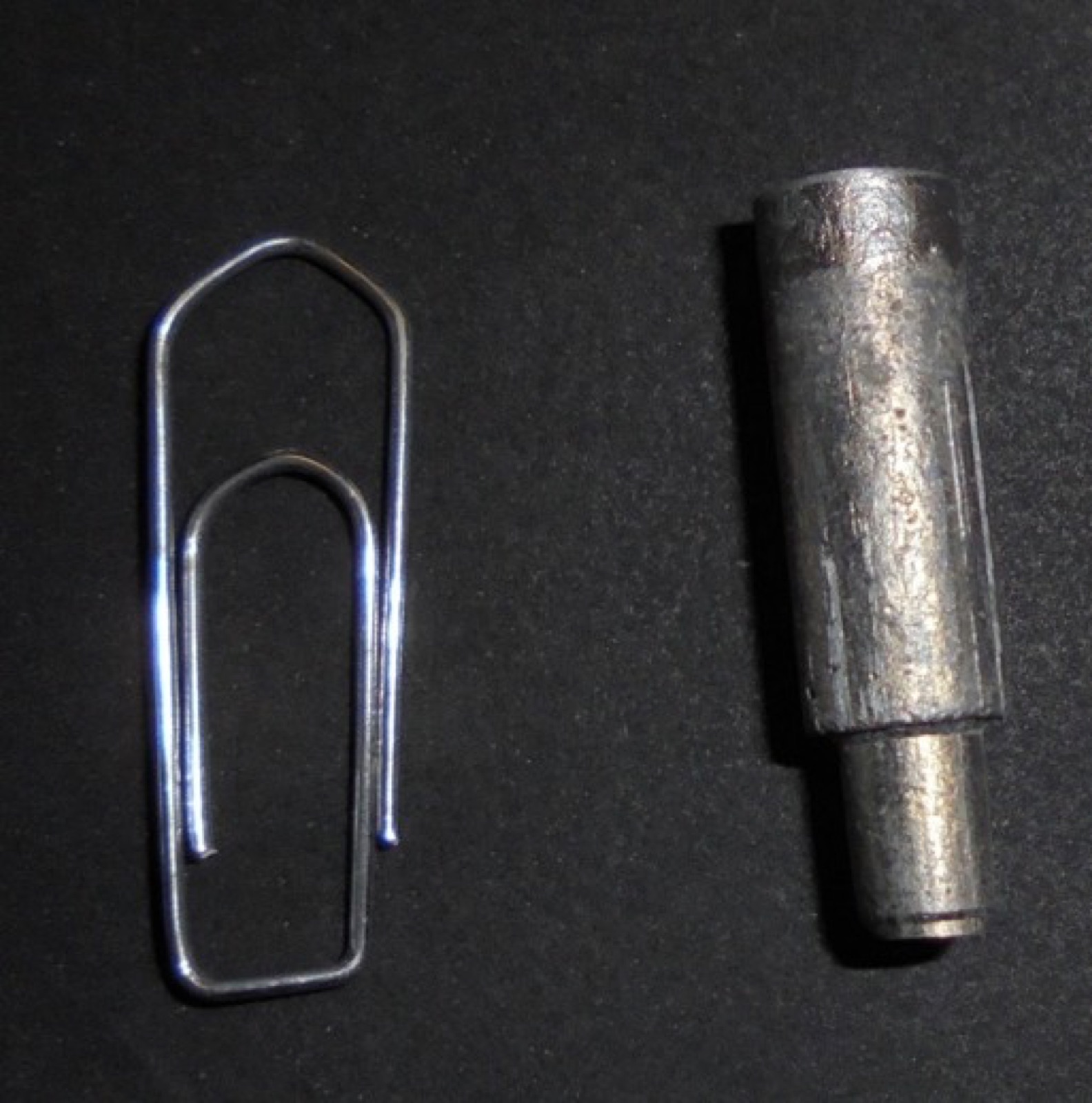
Examples already produced show the range of geometries: an aluminum foam crash absorber in the luggage net of a passenger car, the 3D shaped element of a shock absorber, and 3D shaped elements for an underground train seat armrest. For sectors such as automotive or mechanical engineering, this gives rise to entirely new industrial solutions for lightweight construction.
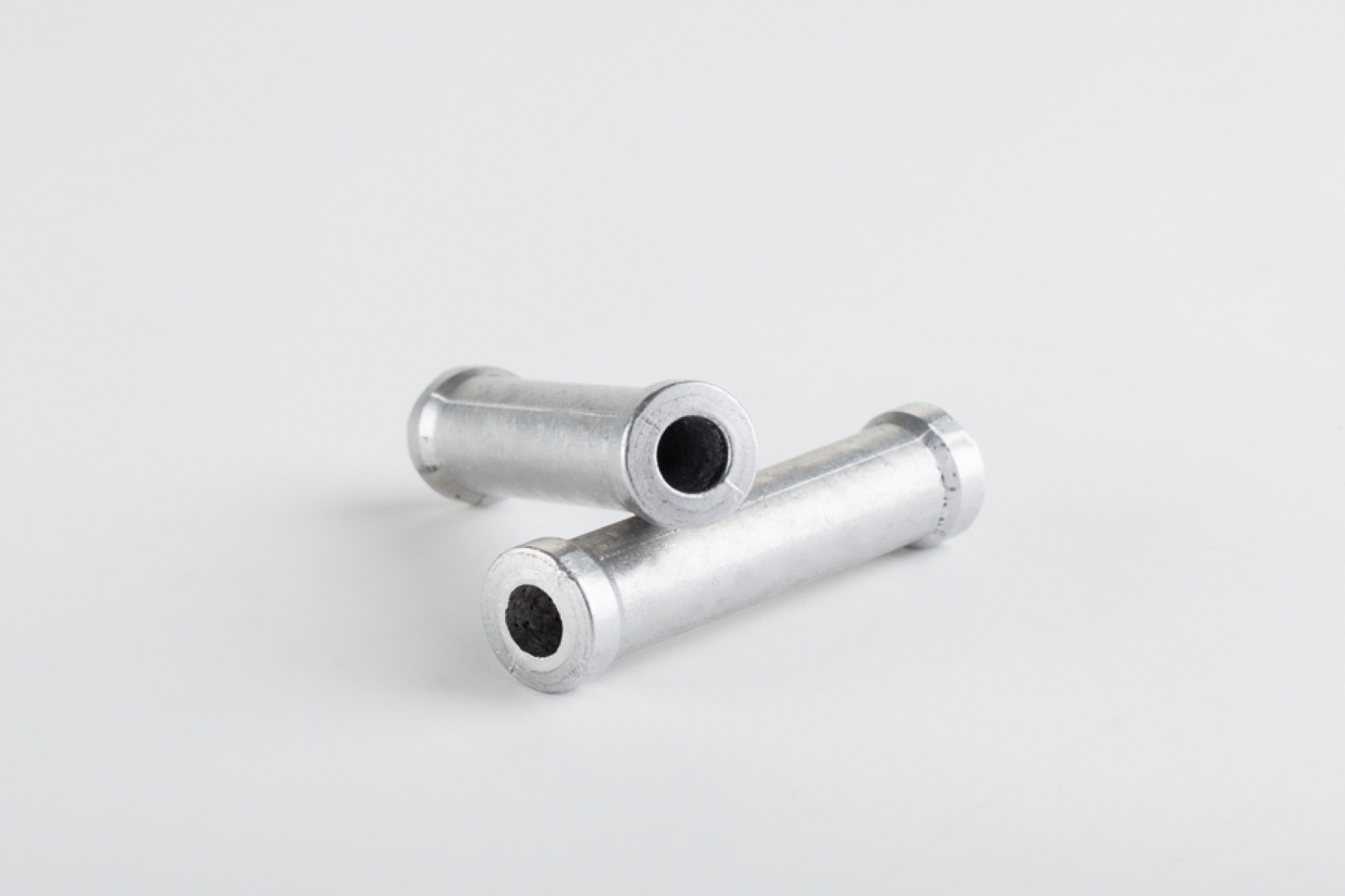
- Aluminum foam crash absorber in the luggage net of a passenger car
- 3D shaped element of a shock absorber
- 3D shaped elements for an underground train seat armrest
Process and geometry
What are 3D shaped elements of aluminum foam?
Also asked: How are shaped elements of metal foam made? · Which geometries are possible?
3D shaped elements from Havel metal foam are components that are foamed directly in a mold by the powder metallurgy process. Because the foam fills the mold, almost any geometric shape can in principle be produced, much as with casting, and the component is made close to its final shape. A shaped element can be made without a weld seam, which avoids joints and with them weak points. The difference from a sandwich is that the result is not a composite of core and cover layers but a foam body in the shape of the component.
- Sources
- Brand content
How thin can the wall of a shaped element be?
Also asked: What is the minimum wall thickness? · How thick can a foam core be?
The minimum wall thickness of a 3D shaped element from Havel metal foam is 0.6 mm. The value is the lower limit for the foam wall itself, and so the figure that decides whether a thin-walled geometry is feasible. At the upper end, the available core thickness is given as 3 to 70 mm. Both values are guide values for design; for a specific component, wall thickness and density are set together with the geometry, because the three are linked.
- Sources
- Brand content
How gas-tight is a shaped element of aluminum foam?
Also asked: Is the foam gas-tight? · Does a shaped element hold pressure?
In its 3D-shaped form, aluminum foam from Havel metal foam is helium-tight up to 10 bar. This property decides whether the material is an option for a closed housing, for example a battery box whose interior must be tightly sealed. Helium is the more demanding test gas, because its molecules are small. The figure does not apply to panels and flat sandwiches; it refers to the 3D-shaped form.
- Sources
- Brand content
Energy absorption
How do shaped elements of aluminum foam absorb energy?
Also asked: How does a metal foam crash absorber work? · Can the absorption be adjusted?
A 3D shaped element from Havel metal foam absorbs energy through plastic deformation work: under overload the cell walls buckle one after another, and the force stays roughly constant over a long deformation path instead of ending in a crack. How much energy is absorbed can be adjusted, because Havel metal foam designs the absorption through foam density and pore size. For a component, this means that the absorber is calculated for a load case, not for a material grade.
- Sources
- Brand content
Is there a calculated design for an impact?
Also asked: How is an absorber dimensioned? · How much energy does a foam corner absorb?
Yes. For an airdrop pallet, Havel metal foam has a design in draft: a 3D aluminum tray of 800 × 600 × 124 mm, weighing around 14 kg, with foam corners of 60 × 50 × 104 mm. The energy to be absorbed was 2,880 J, that is, 90 kg at 8 m/s. The foam corners alone absorb 2,870 J at 50 % compression, with a mean compressive strength of 7 MPa. The draft is not yet a delivered component, but it shows how an absorber design is calculated here, and that the corners already carry the load case on their own.
- Sources
- Brand content
Versions and applications
Which surface finishes are possible for shaped elements?
Also asked: Are there shaped elements with a closed aluminum skin? · Can shaped elements be painted?
Besides the pure foam body, Havel metal foam supplies 3D shaped elements with a cast-on aluminum skin: aluminum is cast around the foam core, which gives it a closed, load-bearing outer surface. This has been done on a support beam for the bobbins of a textile machine. There are also coated versions, for example a coated window frame and ramps with scratch-resistant and anti-slip paint. Which version fits depends on whether the surface has to carry load, slide or simply be closed.
- Sources
- Brand content
Where are such components already in use?
Also asked: Which shaped elements have already been produced? · Are there examples from mechanical engineering?
Among other things, Havel metal foam produces roof bows and a door sill of pure aluminum foam, a shock absorber element, an aluminum base plate, a stackable 3D crash absorber, armrests for underground train seats and ramps with scratch-resistant and anti-slip paint. In mechanical engineering there are also a support beam for textile machine bobbins, an intermediate flange for a gear milling machine and the cross gantry of a milling machine. The intermediate flange is the one exception to the absence of adhesives: the metal foam ring in it is glued in.
- Sources
- Brand content
Can a foamed component replace a die-cast part?
Also asked: Is metal foam worthwhile compared with aluminum die casting? · Is there a heat sink of aluminum foam?
Yes, and for a heat sink in a drone Havel metal foam has a design proposal. The DCR-A model replaces a finned die-cast part with aluminum foam with a cast aluminum skin and comes to around 30 g against around 60 g, about half the mass. The proposal is a design, not a delivered component. The thermal conductivity given in the design has not yet been confirmed by a measurement, so no figure is given.
- Sources
- Brand content
3D shaped elements to your geometry
Almost any shape is possible. Talk to our specialist team.
- Prompt reply
- No account needed
- Your data stays confidential